
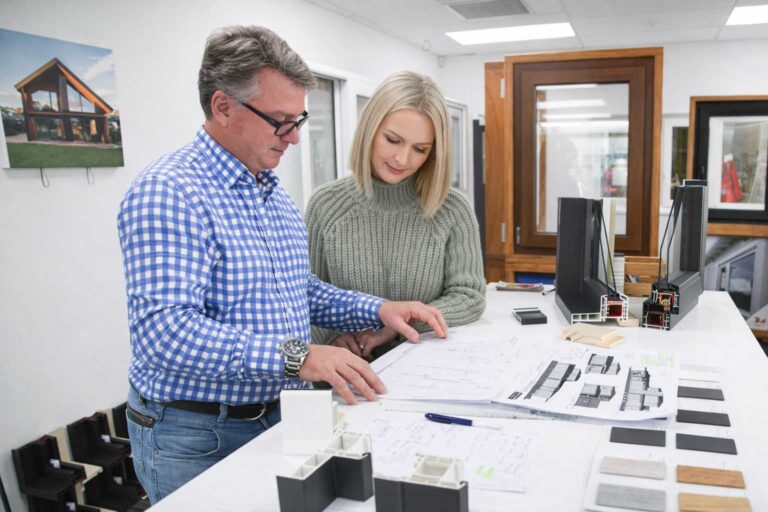

Call, email or visit a showroom to discuss your vision for your project with our experienced and friendly team.
We'll visit your home to assess the project and help you make the right decisions about style, finishes, timelines and budget.

Our technicians will take accurate measurements and identify any special considerations for your project.
Once you've approved the drawings, we'll order the glass and start making your frames at our Christchurch factory.
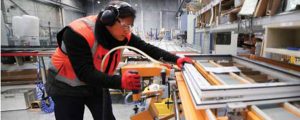
We will agree an installation date and tell you how to prepare for our installers. It's unlikely you will need to move out.

We’ll check you’re happy with everything and brief you on how to care for your new windows and doors.

0800 344 3126 |
info@nkwindows.co.nz
17 Hammersmith Drive, Wigram, Christchurch 8042
04 384 9909 |
info@nkwindows.co.nz
Unit 1, 41 Bouverie Street, Petone,
Lower Hutt 5012
09 250 1210 |
info@nkwindows.co.nz
Unit 18, Warehouse World, 761 Great South Road, Penrose